As dog owners, we all want our furry companions to live long, happy, and healthy lives. But one area that's often overlooked is dental health. By the time many dogs reach adulthood, plaque and tartar buildup can lead to serious issues like periodontal disease, which affects up to 80% of dogs by age 3. Unfortunately, myths about dog dental care persist, causing owners to delay proper prevention until problems become advanced - and often require surgery.
Here are 7 widespread myths about canine dental health, debunked with facts backed by veterinary experts (including organizations like the AVMA, AAHA, and AVDC), followed by realistic steps for proactive care.
Myth 1: Bad Breath Is Normal for Dogs
Why people believe it: “dog breath” is so common that it’s often treated as a normal part of having a pet.
Reality: While a mild, natural odor is common, chronic foul breath is not normal. Persistent bad breath usually starts with bacterial buildup at the gumline and can be the first visible clue that oral disease is developing. Persistent halitosis is often an early sign of plaque, tartar, gingivitis, or even infection. Healthy dogs should have only a subtle scent - anything stronger warrants attention, as it can indicate underlying oral disease that impacts overall health.
Myth 2: Dry Kibble Cleans Teeth Like a Toothbrush
Why people believe it: kibble feels crunchy, so it’s easy to assume it “scrubs” teeth.
Reality: Most standard dry kibble pieces break apart too quickly or are swallowed whole (especially in small breeds), so they rarely provide the consistent gumline contact needed to meaningfully disrupt plaque. In fact, starchy kibble can sometimes contribute to plaque buildup.
Myth 3: Hard Bones, Antlers, or Rawhide Clean Teeth Effectively
Why people believe it: dogs love tough chews, and they look like they’d act like “natural toothbrushes.”
Reality: The problem is that ultra-hard items can exceed what teeth can safely tolerate - so the risk of tooth fractures, enamel damage, and even tooth loss can outweigh any surface-cleaning benefit. Veterinary dental organizations consistently warn against them. While they may feel like natural cleaners, they provide little true plaque removal and frequently lead to costly extractions.
Myth 4: Human Toothpaste Is Safe for Dogs
Why people believe it: toothpaste is toothpaste, right?
Reality: The key difference is that dogs don’t spit - so anything used in their mouth must be safe to swallow and formulated for frequent use without irritating gums or the digestive system. Human toothpaste frequently contains fluoride or xylitol - both toxic if swallowed by dogs. Homemade alternatives like baking soda can be too abrasive, high in sodium, or irritating. Dogs need pet-specific toothpaste that's formulated to be safe for swallowing and gentle on their mouths.
Myth 5: Anesthesia-Free Dental Cleanings Are Safer and Just as Effective
Why people believe it: it sounds safer to avoid anesthesia, and the teeth can look cleaner afterward.
Reality: The issue is that most dental disease lives below the gumline, and effective assessment and treatment typically require a full oral exam and cleaning where the dog is still and pain-free. These procedures are cosmetic only. They remove visible tartar above the gumline but miss hidden disease below it. Major organizations like the AVMA, AAHA, and AVDC do not recommend them for proper dental care, as they can cause stress, injury, or incomplete treatment without anesthesia and full evaluation.
Myth 6: If Your Dog Eats Normally, Their Teeth Must Be Fine
Why people believe it: appetite is often used as a proxy for health.
Reality: Many dogs will keep eating despite significant dental discomfort, so relying on eating behavior alone can delay detection until disease is advanced. Dogs are masters at masking pain. Advanced periodontal disease can progress silently, with no obvious signs until it's severe. "Eating fine" doesn't mean healthy teeth - regular checkups are essential to catch issues early.
Myth 7: Dental Problems Only Affect Old Dogs
Why people believe it: we associate dental decline with “old age.”
Reality: Periodontal disease often begins early in life. Plaque and tartar can accumulate by ages 1–3, particularly in small breeds. Early issues are subtle but progressive, so prevention should start young.
These myths share a common consequence: delayed care that turns preventable problems into surgical ones. The good news? Proactive dental health is achievable with consistent, realistic habits.
The Gold Standard: Start with Brushing
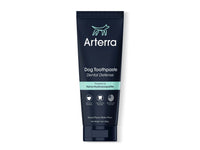
Daily (or at least regular) brushing remains the most effective way to disrupt plaque at the gumline. But it must use a dog-safe toothpaste - never human varieties. That's why Arterra Pet developed our Remineralizing Toothpaste differently.
This fluoride-free formula is 100% safe to swallow and features nano-hydroxyapatite (nHA) - a NASA-developed mineral that mimics natural tooth enamel to support remineralization, strengthen teeth, and help reverse early damage. It goes beyond surface cleaning to promote long-term enamel and gum health, with a tasty peanut butter flavor dogs love.
The Realistic Daily Boost: Dental Chews That Actually Support Health
Let's be honest - daily brushing isn't always feasible long-term. Dogs resist, schedules get busy, and missed days add up. That's where quality dental chews shine: Dogs naturally chew for minutes daily, creating sustained contact for plaque disruption.
But not all chews are equal. Many use dense starches, artificial dyes, or overly hard textures that pose risks without addressing root causes.
Arterra Dental Chews were designed as a true health product, not just a treat. The key differentiator? Nano-hydroxyapatite (nHA) in a rod-shaped, biocompatible form (the safer, naturally occurring structure in teeth and bones - avoiding concerns with other shapes noted in safety studies).
This helps remineralize enamel from within, not just scrub the surface. Combined with:
-
Parsley, green tea, and cranberry for breath freshening, bacteria reduction, and gum support
-
Organic kelp, turmeric, and alfalfa for minerals, antioxidants, and whole-body wellness
-
Ridged design (from rice flour, tapioca, and pea starch) for mechanical cleaning without dangerous hardness
-
Prebiotic support (banana and chicory root) to foster gut health and reduce inflammation linked to oral issues
These chews provide a practical, enjoyable daily tool that strengthens teeth - even on non-brushing days - while supporting gums, breath, and overall vitality. We're committed to rigorous validation: Arterra Dental Chews are already in the market helping dogs nationwide, and we will be pursuing VOHC approval through dedicated studies to demonstrate their efficacy in plaque and tartar control.
Take the Next Step Toward Better Dental Health
Don't wait for bad breath, pain, or a vet's recommendation - start preventing issues today. Brushing with Arterra Remineralizing Toothpaste and adding our Dental Chews creates a powerful, realistic routine.
Explore them now:
Your dog's smile (and long-term health) will thank you. Consult your vet for personalized advice, and let's keep those tails wagging with healthy mouths! 🐶
Tags:
Dental Health