The Scoop Blog

The Silent Epidemic in Dogs: How Modern Dental Chews Can Help
New Dental Health
Mar 18, 2026

The Silent Epidemic in Dogs: How Modern Dental Chews Can Help

The silent epidemic affecting millions of dogs in the United States is periodontal disease, one of the most prevalent health issues in companion animals. Studies indicate that by age 3, a significant majority of dogs - often cited in the range of 80% or more - show signs of some form of periodontal disease, with prevalence increasing with age...

The Silent Epidemic in Dogs: How Modern Dental Chews Can Help

The Silent Epidemic in Dogs: How Modern Dental Chews Can Help

The silent epidemic affecting millions of dogs in the United States is periodontal disease, one of the most prevalent health issues in companion animals. Studies indicate that by age 3, a significant majority of dogs - often cited in the range of 80% or more - show signs of some form of periodontal disease, with prevalence increasing with age and particularly affecting smaller breeds. In veterinary practices, dental issues rank among the top diagnoses, and professional cleanings under anesthesia represent a substantial portion of surgical procedures performed on dogs. Many dogs only receive intervention once the condition has advanced to the point where anesthetic dental procedures - including scaling, polishing, and often extractions - are necessary. This reactive approach means that dogs may endure discomfort, pain, or even systemic effects from chronic oral inflammation for extended periods before treatment. The Limitations of Traditional Dental Care Conventional dog dental products primarily focus on surface-level cleaning. Toothpastes and wipes can help remove plaque through mechanical action or enzymatic means, while some address oral pH or bacterial reduction. However, they typically do not contribute to the structural reinforcement or repair of the teeth themselves. Daily tooth brushing remains the gold standard for proactive oral care, as recommended by veterinary organizations. Yet, compliance is low - estimates suggest only 10-15% of owners brush their dog's teeth regularly, and even fewer do so daily. For most households, the time, patience, and cooperation required make consistent brushing challenging. Dental chews have long been positioned as an alternative, offering mechanical abrasion during chewing to help dislodge plaque. However, many popular options rely primarily on scrubbing action - similar to what dry kibble provides - and some use dense, starch-heavy formulations that carry risks of gastrointestinal issues, including blockages, as reported in emergency veterinary settings. A Proactive Approach: Supporting Tooth Structure To address these gaps, a new generation of dental chews aims to go beyond surface cleaning by incorporating ingredients that support enamel remineralization and tooth strength. Arterra Dental Chews were developed with this principle in mind. Their key differentiating ingredient is nano-hydroxyapatite (nHA), a biocompatible mineral that mimics the natural composition of tooth enamel. Originally researched by NASA to help counteract mineral loss in teeth and bones during space missions, nano-hydroxyapatite has been studied extensively in human dentistry for its ability to promote remineralization of early enamel lesions, fill microscopic defects, and strengthen tooth structure. In veterinary applications, it offers a safe, non-toxic alternative to fluoride for supporting enamel integrity. During chewing, the chew provides prolonged contact with the teeth - far longer than a typical brushing session - delivering nHA directly to the enamel surface. This mechanism supports remineralization from within, helping to reinforce teeth against demineralization and plaque accumulation over time. Additional Supportive Ingredients Arterra Dental Chews incorporate a blend of natural components for comprehensive oral and overall wellness: Parsley, green tea extract, and cranberry - These help freshen breath, reduce odor-causing bacteria, and support gum health. Organic kelp, turmeric, and alfalfa - Provide minerals, antioxidants, and phytonutrients to promote vitality and reduce inflammation. Prebiotic fibers from banana powder and chicory root - Nourish beneficial gut bacteria, supporting digestion and potentially contributing to reduced systemic inflammation that can influence oral health. A ridged texture made from rice flour, tapioca, and pea starch - Offers gentle mechanical plaque removal and gum massage without overly hard or indigestible materials. The formulation avoids artificial dyes, harsh fillers, and unnecessary binders, prioritizing recognizable, responsibly sourced ingredients. Toward Realistic, Daily Prevention The goal is not to replace professional veterinary dental care or brushing when feasible, but to provide a practical, enjoyable daily tool that dogs accept readily - turning a natural chewing behavior into an opportunity for proactive support. By combining mechanical action with remineralizing technology and supportive botanicals, these chews aim to help shift dental care from reactive to preventive, potentially reducing the progression of issues that lead to advanced interventions. If you're committed to supporting your dog's long-term oral and whole-body health, consider incorporating a scientifically grounded daily chew into their routine. Explore Arterra Dental Chews at https://arterrapet.com/products/dental-chews. Always consult your veterinarian for personalized recommendations, especially if your dog has existing dental concerns or specific health needs. Regular professional check-ups remain essential for early detection and comprehensive care.

Read More
Preventing Periodontal Disease in Dogs: Why It Matters and How to Protect Your Pet's Smile

Preventing Periodontal Disease in Dogs: Why It Matters and How to Protect Your Pet's Smile

Periodontal disease stands as the leading cause of tooth loss in dogs. By the time most dogs reach age 3, around 80% show early signs of this condition. Left unchecked, it leads to chronic pain, persistent infections, and expensive veterinary dental procedures - often well before obvious symptoms like bad breath or loose teeth appear. Understanding the root causes and focusing on proactive prevention can make a significant difference in your dog's long-term health and comfort. The Progression of Periodontal Disease Periodontal disease develops gradually, starting with dental plaque - a sticky biofilm composed of bacteria, saliva proteins, and food particles that forms on teeth within hours after eating. If not removed daily, plaque accumulates relentlessly. Over time, minerals in saliva mineralize plaque into tartar (calculus), creating a rough, porous surface that harbors even more bacteria, particularly along the gumline. Bacterial toxins then irritate the gums, triggering gingivitis - marked by red, swollen, or bleeding gums. At this reversible stage, early intervention can halt progression. Without treatment, inflammation becomes chronic. Bacteria invade below the gumline, damaging the periodontium - the gums, periodontal ligaments, and supporting bone. This advances to periodontitis, where damage becomes permanent. Teeth loosen, and extraction often becomes necessary. By the time visible issues arise, many dogs have endured months or years of discomfort. Factors That Accelerate the Problem Certain dogs face higher risks due to anatomy, age, and lifestyle: Breed and size: Small and short-muzzled (brachycephalic) breeds often have crowded or misaligned teeth that trap food and bacteria, making them up to 5 times more likely to develop periodontal disease than giant breeds. Age: Prevalence rises sharply with time; studies show signs in the majority of dogs by age 3, with rates climbing higher in older pets. Daily habits: Infrequent brushing, limited use of dental chews, and extended gaps between professional cleanings allow plaque to harden unchecked. Most owners find consistent brushing challenging, limiting its standalone effectiveness. Diet and health: Sticky, high-carbohydrate foods promote plaque. Poor nutrition weakens immune responses and oral tissues. Additional risks include enamel defects, malocclusion, diabetes, immune issues, and obesity. Long intervals without professional cleaning exacerbate everything - by diagnosis, disease is often advanced. The High Cost of Reactive Care In the U.S., dental procedures represent a substantial portion of veterinary surgeries, with many involving full general anesthesia. Costs for cleanings and extractions typically range from $300 to $1,500 (averaging around $1,200 for more involved cases), not including follow-up care. Extractions impact chewing ability and quality of life permanently. Recovery involves grogginess, drooling, and reluctance to eat, with risks higher in seniors. Worse, extractions address symptoms without fixing the root cause - remaining teeth remain vulnerable, often requiring repeat procedures within 12–18 months. This reactive approach dominates because prevention hasn't always fit real-life routines. Shifting to Proactive Prevention Effective prevention focuses on daily plaque disruption before it hardens and spreads subgingivally. While brushing remains the gold standard, it's not realistic for every household. Chewing offers a practical alternative. Dogs chew naturally for extended periods, providing sustained mechanical action to disrupt plaque. Dental chews bridge the gap for consistent, daily care. However, not all chews deliver equally. Many rely on surface scrubbing or dense, quick-dissolving starch blocks that may pose digestion risks or limited efficacy. Introducing a Next-Generation Solution: Arterra Dental Chews At Arterra Pet, dental chews are re-engineered from first principles - not just to clean, but to strengthen teeth from within. The key innovation is nano-hydroxyapatite (nHA), the same biocompatible mineral that naturally composes teeth and bones. Rod-shaped nHA (the safe, natural form) supports remineralization, repairing early enamel damage at a microscopic level - going beyond surface cleaning to rebuild and protect where issues start. Arterra Dental Chews combine nHA with: Breath-freshening and gum-supporting botanicals: Parsley, green tea, and cranberry to reduce odor-causing bacteria and promote healthy gums. Whole-body wellness ingredients: Organic kelp, turmeric, and alfalfa for minerals, antioxidants, and phytonutrients. Gentle, effective texture: Ridged design using rice flour, tapioca, and pea starch for mechanical plaque removal and gum massage - without overly hard, indigestible materials. Prebiotic support: Banana and chicory root to foster gut health and reduce systemic inflammation, recognizing the oral-gut connection. These chews aim to complement brushing (not replace it) as a realistic daily tool. They're designed for all adult dogs, with natural flavors and no artificial dyes or fillers. For a detailed breakdown of every ingredient and its functional benefits, visit Arterra’s comprehensive Dental Chews Ingredients Library. Veterinarians and pet owners alike note the difference: proactive remineralization helps maintain stronger teeth, fresher breath, and better overall wellness. If you're ready to move beyond reactive dental care and give your dog a proactive edge, explore Arterra Dental Chews today. For visual explanations of periodontal disease progression, refer to these educational videos: Periodontal Disease in Dogs and Cats Explained Periodontal Disease in Small Dogs Prioritizing your dog's oral health early prevents pain, saves money, and supports a happier, healthier life. Start the conversation with your vet about daily prevention - your dog's smile (and comfort) will thank you.
Read More
Is Nano-Hydroxyapatite Safe for Dogs? Addressing the Facts and Common Concerns

Is Nano-Hydroxyapatite Safe for Dogs? Addressing the Facts and Common Concerns

As dog owners, we want the best for our pets' health - especially when it comes to something as important as their dental care. With nano-hydroxyapatite (nHA) gaining massive popularity in human oral care products (it's now a top ingredient in many best-selling toothpastes on platforms like Amazon), it's natural to wonder: Is nano-hydroxyapatite safe for dogs? The short answer, yes, it is safe for dogs! At Arterra Pet Science, we're proud to be pioneers in bringing this breakthrough mineral to canine dental chews. Our products use veterinarian-formulated, dog-specific formulations featuring rod-shaped nano-hydroxyapatite to support enamel strength and overall oral health. But safety comes first. Let's break down the science, address common questions, and clear up misconceptions with transparent, evidence-based information. What Is Nano-Hydroxyapatite, and Why Use It for Dogs? Hydroxyapatite makes up about 97% of the mineral content in teeth and bones - it's the natural building block of enamel. The nano form consists of tiny particles that can reach and support remineralization on the tooth surface more effectively than larger particles. In human toothpaste, nHA is celebrated for helping strengthen enamel without fluoride. For dogs, it offers similar potential benefits in a dental chew format: supporting healthy teeth as part of daily dental care. Importantly, our dog dental chews are designed specifically for dogs, with no harmful additives. The #1 Rule: Never Use Human Products on Dogs A frequent concern we see in searches is around human nHA toothpastes. While nHA itself is the focus here, many popular human toothpastes containing it also include xylitol - a sweetener that's extremely toxic to dogs, even in small amounts. It can cause rapid drops in blood sugar, liver failure, and worse. Bottom line: Human oral care products are not safe for dogs due to ingredients like xylitol. Always choose pet-specific formulations like ours, which are free of xylitol and other dog-toxic substances. Addressing Nano-Specific Safety Concerns Some pet parents worry about "nano" particles migrating to places like the lungs or brain, based on older rodent studies. These concerns are valid to explore, but the details matter a lot. Key studies raising flags often involved: Extremely high doses (far beyond what's in a daily chew). Non-oral routes (like injection or inhalation). Needle-shaped particles (sharp and higher surface area, linked to more cellular stress). In contrast: Rod-shaped nHA (the form we use) shows significantly better compatibility in research - lower inflammation, less cellular uptake issues, and no notable toxicity in relevant models. Oral exposure studies in rodents (including long-term, year-long feeding trials) found no adverse effects on body weight, organ function, blood parameters, or histopathology - even at chronic doses. In simulated gastric fluid (mimicking stomach conditions), nHA particles dissolve rapidly into calcium and phosphate ions - natural body components - with no nano-specific absorption concerns. The European Union's Scientific Committee on Consumer Safety (SCCS) - a rigorous body similar to aspects of FDA review for cosmetics - has evaluated rod-shaped nano-hydroxyapatite extensively. Their opinions confirm it's safe for oral use in toothpastes at relevant concentrations, specifically for rod-shaped particles meeting strict criteria (e.g., aspect ratios mostly under 3, no coatings). Needle-shaped forms are explicitly not recommended. Veterinary studies in dogs (e.g., using nHA in bone regeneration or socket preservation) have shown good biocompatibility - no serious adverse reactions like infection, immune rejection, or systemic issues. For our chews: We source rod-shaped nHA on the larger end of the nanoscale (still nano, not micro), third-party test every batch for identity, size, and shape, and formulate at levels aligned with safety data. Out of abundance of caution, our products are vet-formulated and manufactured in the United States. No Evidence of Harm in Relevant Use To date, no studies show health concerns with rod-shaped nHA in oral pet applications at typical doses. Ingestion in chews leads to dissolution in the stomach, not systemic nano-particle circulation. This aligns with broader biocompatibility data for hydroxyapatite in animals, including dogs. Why We're Confident in Our Approach We're not making medical claims - our dental chews support healthy teeth and gums as part of a daily routine, alongside vet-recommended care like brushing when possible. They're not a substitute for professional veterinary advice. If you're concerned about your dog's dental health or introducing new supplements, consult your vet. Many are excited about nHA's potential as a fluoride-free option. At Arterra, we believe in science-backed, transparent pet wellness. Our goal is simple: happier, healthier dogs with fresher breath and stronger smiles. Questions? Reach out - we're here to help. Jonathan Willbanks, Founder Arterra Pet Science

Read More
Dog looking up at owner waiting for dental chew

7 Common Dog Dental Health Myths – And the Truths Every Pet Parent Needs to Know

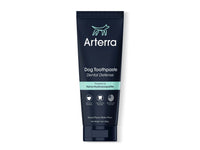
As dog owners, we all want our furry companions to live long, happy, and healthy lives. But one area that's often overlooked is dental health. By the time many dogs reach adulthood, plaque and tartar buildup can lead to serious issues like periodontal disease, which affects up to 80% of dogs by age 3. Unfortunately, myths about dog dental care persist, causing owners to delay proper prevention until problems become advanced - and often require surgery. Here are 7 widespread myths about canine dental health, debunked with facts backed by veterinary experts (including organizations like the AVMA, AAHA, and AVDC), followed by realistic steps for proactive care. Myth 1: Bad Breath Is Normal for Dogs Why people believe it: “dog breath” is so common that it’s often treated as a normal part of having a pet.  Reality: While a mild, natural odor is common, chronic foul breath is not normal. Persistent bad breath usually starts with bacterial buildup at the gumline and can be the first visible clue that oral disease is developing.  Persistent halitosis is often an early sign of plaque, tartar, gingivitis, or even infection. Healthy dogs should have only a subtle scent - anything stronger warrants attention, as it can indicate underlying oral disease that impacts overall health. Myth 2: Dry Kibble Cleans Teeth Like a Toothbrush Why people believe it: kibble feels crunchy, so it’s easy to assume it “scrubs” teeth.  Reality: Most standard dry kibble pieces break apart too quickly or are swallowed whole (especially in small breeds), so they rarely provide the consistent gumline contact needed to meaningfully disrupt plaque. In fact, starchy kibble can sometimes contribute to plaque buildup.  Myth 3: Hard Bones, Antlers, or Rawhide Clean Teeth Effectively Why people believe it: dogs love tough chews, and they look like they’d act like “natural toothbrushes.”  Reality: The problem is that ultra-hard items can exceed what teeth can safely tolerate - so the risk of tooth fractures, enamel damage, and even tooth loss can outweigh any surface-cleaning benefit. Veterinary dental organizations consistently warn against them. While they may feel like natural cleaners, they provide little true plaque removal and frequently lead to costly extractions. Myth 4: Human Toothpaste Is Safe for Dogs Why people believe it: toothpaste is toothpaste, right?  Reality: The key difference is that dogs don’t spit - so anything used in their mouth must be safe to swallow and formulated for frequent use without irritating gums or the digestive system. Human toothpaste frequently contains fluoride or xylitol - both toxic if swallowed by dogs. Homemade alternatives like baking soda can be too abrasive, high in sodium, or irritating. Dogs need pet-specific toothpaste that's formulated to be safe for swallowing and gentle on their mouths. Myth 5: Anesthesia-Free Dental Cleanings Are Safer and Just as Effective Why people believe it: it sounds safer to avoid anesthesia, and the teeth can look cleaner afterward.  Reality: The issue is that most dental disease lives below the gumline, and effective assessment and treatment typically require a full oral exam and cleaning where the dog is still and pain-free. These procedures are cosmetic only. They remove visible tartar above the gumline but miss hidden disease below it. Major organizations like the AVMA, AAHA, and AVDC do not recommend them for proper dental care, as they can cause stress, injury, or incomplete treatment without anesthesia and full evaluation. Myth 6: If Your Dog Eats Normally, Their Teeth Must Be Fine Why people believe it: appetite is often used as a proxy for health.  Reality: Many dogs will keep eating despite significant dental discomfort, so relying on eating behavior alone can delay detection until disease is advanced. Dogs are masters at masking pain. Advanced periodontal disease can progress silently, with no obvious signs until it's severe. "Eating fine" doesn't mean healthy teeth - regular checkups are essential to catch issues early. Myth 7: Dental Problems Only Affect Old Dogs Why people believe it: we associate dental decline with “old age.”  Reality: Periodontal disease often begins early in life. Plaque and tartar can accumulate by ages 1–3, particularly in small breeds. Early issues are subtle but progressive, so prevention should start young. These myths share a common consequence: delayed care that turns preventable problems into surgical ones. The good news? Proactive dental health is achievable with consistent, realistic habits. The Gold Standard: Start with Brushing Daily (or at least regular) brushing remains the most effective way to disrupt plaque at the gumline. But it must use a dog-safe toothpaste - never human varieties. That's why Arterra Pet developed our Remineralizing Toothpaste differently. This fluoride-free formula is 100% safe to swallow and features nano-hydroxyapatite (nHA) - a NASA-developed mineral that mimics natural tooth enamel to support remineralization, strengthen teeth, and help reverse early damage. It goes beyond surface cleaning to promote long-term enamel and gum health, with a tasty peanut butter flavor dogs love. The Realistic Daily Boost: Dental Chews That Actually Support Health Let's be honest - daily brushing isn't always feasible long-term. Dogs resist, schedules get busy, and missed days add up. That's where quality dental chews shine: Dogs naturally chew for minutes daily, creating sustained contact for plaque disruption. But not all chews are equal. Many use dense starches, artificial dyes, or overly hard textures that pose risks without addressing root causes. Arterra Dental Chews were designed as a true health product, not just a treat. The key differentiator? Nano-hydroxyapatite (nHA) in a rod-shaped, biocompatible form (the safer, naturally occurring structure in teeth and bones - avoiding concerns with other shapes noted in safety studies). This helps remineralize enamel from within, not just scrub the surface. Combined with: Parsley, green tea, and cranberry for breath freshening, bacteria reduction, and gum support Organic kelp, turmeric, and alfalfa for minerals, antioxidants, and whole-body wellness Ridged design (from rice flour, tapioca, and pea starch) for mechanical cleaning without dangerous hardness Prebiotic support (banana and chicory root) to foster gut health and reduce inflammation linked to oral issues These chews provide a practical, enjoyable daily tool that strengthens teeth - even on non-brushing days - while supporting gums, breath, and overall vitality. We're committed to rigorous validation: Arterra Dental Chews are already in the market helping dogs nationwide, and we will be pursuing VOHC approval through dedicated studies to demonstrate their efficacy in plaque and tartar control. Take the Next Step Toward Better Dental Health Don't wait for bad breath, pain, or a vet's recommendation - start preventing issues today. Brushing with Arterra Remineralizing Toothpaste and adding our Dental Chews creates a powerful, realistic routine. Explore them now: Remineralizing Toothpaste Dental Chews Your dog's smile (and long-term health) will thank you. Consult your vet for personalized advice, and let's keep those tails wagging with healthy mouths! 🐶

Read More
How Arterra Dental Chews Are Different: A Science-Backed Approach to Canine Oral Health

How Arterra Dental Chews Are Different: A Science-Backed Approach to Canine Oral Health

The state of dog dental care often falls short of what our pets truly need for long-term oral health. Most products on the market prioritize surface-level cleaning - mechanical abrasion to remove plaque and freshen breath, while overlooking a critical aspect: actively supporting the strength and integrity of the teeth themselves. By the time visible issues like tartar buildup, gum inflammation, or tooth decay appear, veterinary intervention, often including professional cleanings or extractions under anesthesia, becomes the primary solution. Preventive daily care that addresses problems at their root is far more effective for maintaining healthy teeth and gums over a dog's lifetime. A New Approach to Preventive Canine Dental Care At Arterra Pet Science, we approached dental health differently by designing Arterra Dental Chews as a true health-supporting product rather than a simple treat. Our philosophy prioritizes biological efficacy first, practical daily use second, and cosmetic benefits (like fresh breath) last. This deliberate design addresses key gaps in conventional dental chews. Supporting Tooth Strength Through Remineralization Traditional dental chews rely primarily on physical scrubbing to dislodge plaque. While effective for surface cleaning, they do little to reinforce the tooth structure itself. Arterra Dental Chews incorporate nano-hydroxyapatite (nHAp), a biocompatible mineral that mirrors the natural composition of enamel and dentin in teeth and bones. Nano-hydroxyapatite has been studied extensively in oral care (including veterinary applications) for its ability to promote remineralization - helping to repair early-stage enamel weaknesses and strengthen teeth at a microscopic level. This provides proactive support against demineralization, complementing mechanical cleaning for more comprehensive protection. Leveraging Natural Chewing Behavior for Oral Health Dogs instinctively chew for extended periods, creating sustained contact between active ingredients and tooth surfaces - far longer than brief brushing sessions or quick-dissolving treats allow. We engineered Arterra Dental Chews to align with this natural behavior, using the chew duration itself as an effective delivery mechanism for beneficial compounds. This sustained exposure maximizes the potential for remineralization and other supportive effects. Optimal Texture: Firm Enough to Clean, Gentle Enough to Protect Chew hardness presents a common tradeoff: overly rigid chews risk dental fractures, while soft ones break down too quickly to provide meaningful abrasion or contact time. Arterra chews strike a balanced middle ground - chewy and firm enough to engage teeth and massage gums effectively, yet yielding to avoid excessive force or digestive concerns. The ridged texture promotes mechanical cleaning while supporting safe, enjoyable chewing. Clean, Purposeful Ingredients Without Unnecessary Fillers Many dental chews use dense starch blocks, artificial dyes, binders, and fillers that offer limited nutritional value and may not digest optimally - especially problematic in a daily product. Arterra avoids these entirely, opting for cleaner, functional components that contribute meaningfully to health. A Functional Base That Supports Gut Health Rather than inert fillers, the chew base incorporates prebiotic fibers from sources like banana powder and chicory root. These nourish the gut microbiome by feeding beneficial bacteria, promoting a balanced intestinal environment. Emerging research highlights the gut-oral axis, where a healthy microbiome can indirectly support reduced systemic inflammation, including in oral tissues. Holistic Oral Support, Including Gum Health While fresh breath is a welcome side effect - achieved naturally through ingredients like parsley, green tea extract, and cranberry - our focus extends to gum health. Botanicals such as organic kelp, turmeric, and alfalfa provide minerals, antioxidants, and anti-inflammatory properties to help maintain healthy gums, recognizing the interconnected role of gums, teeth, and overall wellness. A Complementary Tool in a Comprehensive Dental Care Routine Arterra Dental Chews are not intended to replace professional veterinary dental care or regular brushing - the gold standard for oral hygiene. Instead, they serve as a realistic, evidence-informed daily addition for households where consistent brushing may be challenging. When used as part of a broader preventive routine, they help bridge the gap between occasional interventions and proactive support. The Science-Driven Mission Behind Arterra Pet Science This biologically driven, practical approach guides every aspect of Arterra Dental Chews, reflecting our broader mission at Arterra Pet Science: empowering dogs to live longer, healthier lives through science-backed wellness. The founder’s personal experience - extending a beloved dog's life by over five years with a tailored regimen, keeping him cancer-free, sharp, and active into his late teens - inspired the creation of Arterra. We aim to make advanced, thoughtful care accessible to every dog owner. Discover how Arterra Dental Chews can support your dog's oral and whole-body health: Order your first pack here. Consult your veterinarian to ensure this fits your pet's individual needs.

Read More